
The Straits Times reported in February 2025 that Singapore’s total resident fertility rate (TFR) has fallen below 1 for the 1st time in our nation’s history. This is far from the population replacement rate of 2.1. Our low fertility should not come as a surprise as Singapore has not provided a conducive environment to start a family with a dual working family unit, intense competition, work-life imbalance and a high cost of living.
On the other spectrum, many couples fail to conceive even if they want to. Infertility is defined as the inability to impregnate a fertile female partner (<35 years old) through regular unprotected sexual intercourse after 12 months. The cumulative conception in an average young couple is 80% by the first year and 95% by the second year. This rate drops to 80% by the second year if the female is above 35 years old. In many instances, couples spontaneously conceive after 12 months without any treatment, and thus, it is not uncommon for couples to seek treatment and evaluation after two years of trying.

Dr Jay Lim
MBBS (Syd), MRCS (Edin), MRCS (Glasg), MMed (NUS), FAMS (Urology)
Dr Lim Kheng Sit (Jay) is a urologist whose practice covers Men’s Health, spanning subfertility, erectile dysfunction, and premature ejaculation.
He manages the full range of male fertility investigations, including semen analysis, hormonal assessment, and scrotal ultrasound. He works with patients on both medical and surgical treatment options, including varicocele repair and sperm retrieval procedures such as TESA and MESA.
Male infertility issues fall under the care of Urologists, while females are taken care of by Obstetricians.
It is usually the ladies who get their fertility investigated as part of assisted reproductive therapy (ART), and men only get asked to donate a semen sample with little or no investigation. Yet it takes two to clap and research shows both parties contribute to infertility about 35% of the time, and in 10% of the cases, the issue lies only with the man. IVF without investigating the men will only lead to failure in these instances.
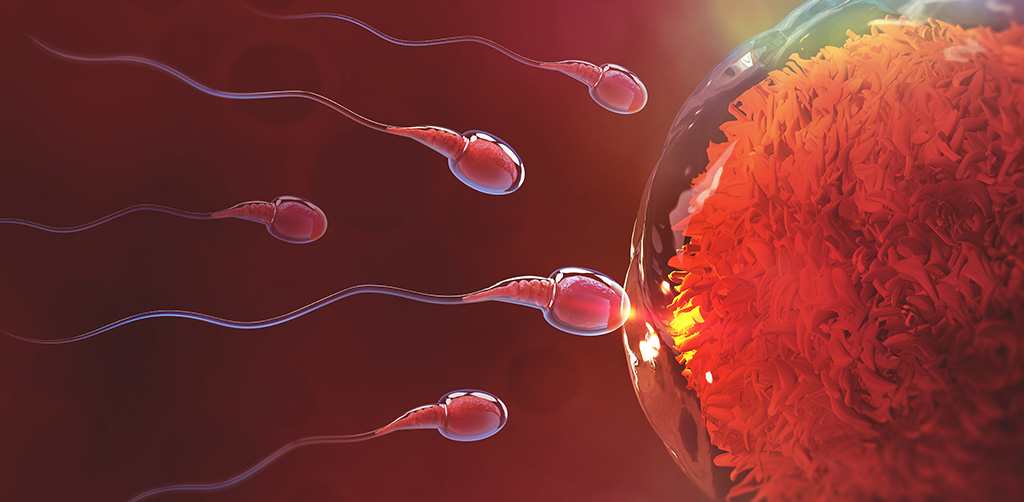
Sperm is the male’s contribution to reproduction, and for sperm to do its job, you need to have three qualities. High-quality sperm in adequate numbers that can swim properly. In other words, low numbers (oligozoospermia) or no sperm (azoospermia), low motility (asthenospermia) or abnormal morphology (teratozoospermia) are the main issues with sperm quality. These issues can be in isolation or combination in 80% of infertile men.
There are many causes of male infertility, and it can be divided into four main areas.
Hormones play a crucial role in sperm production, and various congenital and acquired conditions can lead to low hormone production, affecting sperm production.
Cryptorchidism or genetic causes of impaired sperm production, like Klinefelter syndrome, result in poor production. Varicocele, viral infection, drugs and radiation can all affect sperm production.
Abnormality of the sperm duct (vas deferens) or ejaculatory duct disorders.
Male with normal sperm parameters but are unsuccessful in conceiving despite careful evaluation.

Apart from having issues with sperm production, many other common reasons can affect fertility:
If you think you may be presenting symptoms of Subfertility, schedule a consult as soon as possible.
Diagnosis of the source of the problem would include a detailed medical and sexual history. Information on age, previous pregnancies, timing of the intercourse to the reproductive cycle, frequency, use of lubricants, existing medical condition and body mass index are crucial. These consults are also most fruitful if you and your partner are present.
Your doctor will perform a physical examination with attention to testes size with a Prader orchidometer and the presence of any penile abnormality like phimosis, structure abnormality, and overall state of secondary sexual features. A semen analysis is a cornerstone of male infertility investigation and can assess sperm quality as described above. If required, a blood hormonal profile, scrotal ultrasound to look for abnormalities and genetic testing will be performed.
When a treatable cause is identified, many treatment options can improve your chances of conception.
It is essential to understand that successful conception may come easily for some couples but can be life-changingly difficult for others. If necessary, counselling and support groups may be useful for emotional support and guidance.
If you and your partner have a problem, it’s time to man up and consider seeing a Urologist to rule out issues. Your Urologist should provide a patient, empathetic listening ear to you and your wife. These consultations take a long time, but they are rewarding when we can pinpoint the problem and help a couple conceive.
Led by an experienced urologist, our clinic focuses on conditions affecting the prostate, kidney, bladder, and male reproductive conditions, ensuring patients receive targeted, specialist care.
Most of our procedures are claimable by integrated shield and corporate insurance plans, making treatment more accessible and providing greater peace of mind.
Patients get access to timely consultations to address urgent or discomforting urological symptoms, reducing delays in diagnosis and treatment.
Sensitive conditions are discussed in a discreet and comfortable environment, allowing patients to feel at ease and supported by a smooth care experience.
If you think you may be presenting symptoms of Subfertility, schedule a consult as soon as possible.
Our friendly team at Urocare is looking forward to serving you.
For urgent enquiries and appointment requests, please call the clinic directly.