
Male circumcision is the surgical removal of the penile prepuce or foreskin, as commonly called. The earliest known circumcision dates back to the prehistoric era. Circumcision is frequently performed globally on children as part of religious requirements like Judaism and Islam. 30% of the remaining circumcision is performed on both children and adults for sociocultural practices and non-religious reasons.

Circumcision in Singapore is performed for religious or medical reasons, as well as personal and sociocultural considerations.
For children, the decision may be influenced by religious or cultural practices or a medical condition. Adults may also seek circumcision for medical reasons such as phimosis, recurrent balanitis or balanoposthitis and dyspareunia (painful intercourse).

Dr Jay Lim
MBBS (Syd), MRCS (Edin), MRCS (Glasg), MMed (NUS), FAMS (Urology)
Dr Jay Lim is a urologist in Singapore whose practice includes circumcision as part of broader men’s health and urological services.
Before entering private practice, Dr Lim spent over a decade in Singapore’s public healthcare system, including as a Consultant Endourologist at Singapore General Hospital. His clinical interests include endourology, minimally invasive surgery and robotic surgery, which he also applies to circumcision procedures to reduce recovery time and discomfort.
Dr Lim practises at Parkway East Medical Centre and Mount Elizabeth Medical Centre and is accredited to perform circumcision surgery at several private hospitals in Singapore.
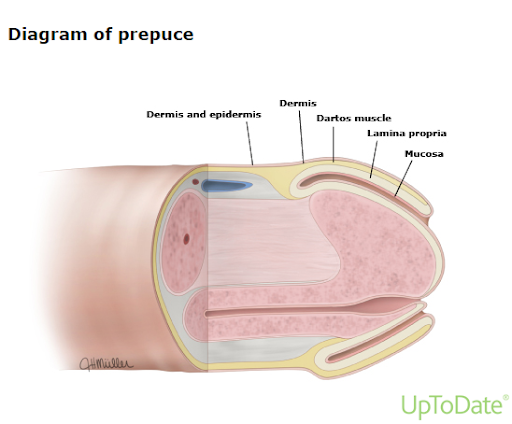
To better understand medical circumcision, we rewind to the early days of a baby boy. Only 4% of babies have a retractable foreskin. This number increases to 50% by the first year of life and 89% by three years old. Up to 10% of the young male population may have foreskin issues.
Non-retractile prepuce must be considered if there are no other urinary symptoms like pain or swelling. Preputial adhesion can also prevent the foreskin from being retracted. As the child grows, the adhesion separates the inner foreskin from the glans (head) of the penis.
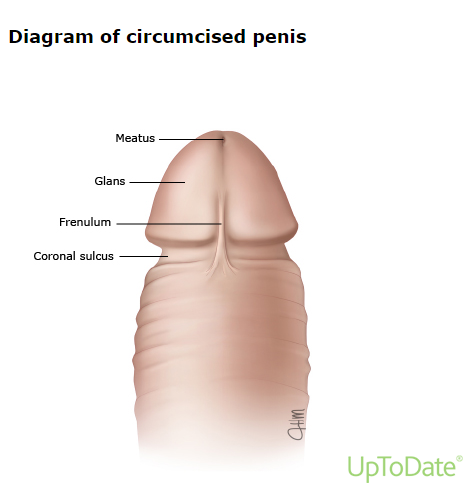
Epithelial debris, which is dead skin cells, is called smegma and can accumulate within the foreskin. Together with penile erection, they help encourage adhesion to separate in a growing child. Increased smegma production coincides with puberty when most boys can retract their foreskin.
Occasionally, smegma collection occurs in a nodule form and can be mistaken for a cyst. Smegma can be mixed with urine leading to a purulent-like discharge which can be confused with an inflammatory condition called balanitis.
Parents must understand that children may have a non-retractable foreskin, a normal phenomenon. Forceful retractable of the foreskin in young children for cleaning purposes is often unnecessary and causes pain. Force retraction of the foreskin can cause scar formation and form secondary phimosis.
Circumcision is not necessary for every foreskin problem. Medical indications may include phimosis that does not respond to conservative treatment, paraphimosis, recurrent balanitis or balanoposthitis, Balanitis Xerotica Obliterans (BXO), recurrent urinary tract infections in selected patients and foreskin problems that cause pain during intercourse.
Phimosis is the inability to retract the foreskin below the glans of the penis and is commonly due to a narrow ring along the foreskin. Phimosis is estimated to occur in 9 to 20% of the 5-13 age group. It is important to differentiate between phimosis (mechanical tightening) and preputial adhesion in the non-retractile foreskin, which can be tricky. Ballooning of the penis can occur during voiding due to adhesion or phimosis and may be physiological (normal development), and is not a recognised indication for circumcision.
Determining the cause of the narrow foreskin is crucial before deciding on the treatment course. It is important to understand that circumcision is not the only option for foreskin issues. The first-line treatment for phimosis is topical steroids. Research shows that topical steroid given twice daily for 4 to 8 weeks can improve phimosis up to 80% of the time. While effective, long-term administration of steroids is not recommended as it can result in skin thinning. As such, recurrence of phimosis occurs in 20% after the stoppage of steroids.
Circumcision may be necessary when phimosis does not respond to steroid treatment or repeated balanitis/balanoposthitis in children. Circumcision, in this instance, solves the issues once and for all.
Phimosis can lead to paraphimosis when the retracted foreskin cannot be replaced back up. The narrow ring of the foreskin can constrict the blood flow in the penis leading to pain, discomfort and potential organ damage. Paraphimosis is a medical emergency and should be attended to immediately.
In paraphimosis, the foreskin should be replaced to its original position as soon as possible before circumcision. Early reduction of paraphimosis reduces discomfort. Reduced tissue swelling results in better cosmesis during circumcision.
Balanitis/Balanoposthitis is the infection of the glans and foreskin, respectively. These are two conditions parents of young boys need to be aware of as they may complain of pain with swelling around the penis, which can occur with pus.
Balanitis/Balanoposthitis can be caused by exposure to an irritant like a new brand of soap or excessive cleaning. Non-specific balanitis/balanoposthitis can be treated with topical antibiotic ointment.
Circumcision may be considered when balanitis or balanoposthitis repeatedly returns or an underlying foreskin problem contributes to recurrent inflammation.
Frenulum breve occurs when the band of tissue connecting the underside of the glans to the foreskin is too short. It may cause pulling or pain during erections or intercourse and can sometimes tear or bleed.
A short frenulum does not necessarily require full circumcision. Depending on the underlying problem, a procedure to release or lengthen the frenulum may be considered instead.
Other conditions that may require assessment include genital warts and persistent lesions or skin changes affecting the foreskin.
Circumcision is not limited to childhood. Men consider adult circumcision in their twenties, thirties, forties, fifties or later, as age alone does not necessarily rule out the procedure.
Adults may consider circumcision for a foreskin condition that has persisted since childhood or developed later in life, as well as for personal, cultural or religious reasons.
The approach may differ from circumcision in children, particularly when it comes to anaesthesia, recovery and returning to work or other daily activities.
If you think you need Circumcision, schedule a consult as soon as possible.
There are many ways to perform circumcision. The techniques can be broadly classified into preputioplasty (partial removal of the foreskin) and circumcision. The main approaches differ in how the foreskin is removed or widened and how the wound is managed afterwards.
| Technique | Procedure Time | Recovery | May Be Suitable For |
|---|---|---|---|
| Conventional surgical circumcision | Around 30 to 45 minutes | Initial wound healing around 1 to 2 weeks | Selected patients, including those with complex or scarred foreskins |
| Laser circumcision | Varies according to technique | Initial healing generally follows a similar timeframe | Selected patients where laser-assisted excision is appropriate |
| Stapler circumcision | Generally shorter than conventional surgery | Staples remain temporarily during healing | Selected patients whose anatomy is suitable |
| Shang Ring circumcision | Generally shorter than conventional surgery | Ring remains temporarily after the procedure | Selected patients whose anatomy and ring size are suitable |
| Preputioplasty | Varies | Depends on the technique used | Selected patients with phimosis who wish to preserve the foreskin |
These are general timeframes. The technique recommended will depend on factors such as age, foreskin anatomy, scarring and the reason for surgery.
Conventional circumcision involves removing the foreskin using a scalpel or surgical scissors before closing the skin edges with sutures.
Because the surgeon can directly remove the affected tissue, this approach may be considered for complex or significantly scarred foreskins where a device-assisted technique is unsuitable.
Laser circumcision uses focused energy to cut the foreskin and seal tissue during the procedure.
Research comparing laser circumcision with conventional surgery has reported less pain during early recovery and lower rates of some complications. However, the same review found no significant difference in surgical time, bleeding, infection, wound dehiscence or reoperation.
Laser circumcision therefore does not eliminate bleeding, complications or the need for a normal healing period.
Device-assisted techniques can shorten the procedure compared with conventional circumcision.
A circumcision stapler removes the foreskin while placing staples around the wound edge. These remain temporarily while the wound heals.
The Shang Ring uses inner and outer rings to clamp the foreskin before the excess tissue is removed. Evidence comparing circumcision devices with conventional surgery has found that device-assisted procedures generally take less time. The ring remains in place temporarily after the procedure.
Not every patient is suitable for a device-assisted technique, so the foreskin and penile anatomy should be assessed first.
Preputioplasty widens a tight foreskin through small incisions rather than removing the foreskin completely.
This foreskin-preserving surgery may be considered when widening the tight ring is sufficient and there is no extensive scarring or another condition requiring removal of the foreskin.
Whether preputioplasty is suitable depends on the cause and severity of the phimosis.
Before the procedure, your urologist will review why you are having circumcision, examine the foreskin and discuss the technique being considered.
Depending on your age, procedure and treatment setting, circumcision may be performed under local anaesthesia, local anaesthesia with sedation, or general anaesthesia.
Once the anaesthetic has taken effect, the procedure generally takes around 15 to 45 minutes, although this varies according to the technique and complexity.
Circumcision is commonly performed as day surgery, so you can usually return home once the clinical team is satisfied that you are ready for discharge. If sedation or general anaesthesia is planned, follow the instructions provided regarding fasting and transport home.
Initial wound healing generally takes around 7 to 14 days. Swelling, bruising, tenderness and increased sensitivity around the glans can occur during the early stages of recovery.
Follow the wound-care instructions provided by your urologist, including how to care for the dressing and when you can wash the area. Pain relief may be recommended during the first few days.
For adults, general recovery timeframes include:
Contact the clinic if you develop persistent bleeding, worsening swelling or redness, pus, fever, difficulty passing urine or pain that is not controlled with the recommended medication.
The cost of circumcision in Singapore varies according to whether the procedure is for an adult or child, the technique used, type of anaesthesia and treatment setting.
As a general guide, private circumcision fees in Singapore may fall within the following ranges:
Circumcision for phimosis or paraphimosis is listed under the Ministry of Health’s Table of Surgical Procedures. MediSave may therefore be used for eligible procedures, subject to the medical indication, procedure code and prevailing claim limits.
Insurance coverage will depend on your policy and the reason for circumcision. Procedures performed for a medical condition may be covered differently from circumcision undertaken for personal, cultural or religious reasons.
If circumcision is performed as day surgery, the total cost may also include anaesthesia, facility fees, medication, consumables and any device used during the procedure. Ask the clinic for an estimate of the expected fees based on your recommended treatment.
If you think you need Circumcision, schedule a consult as soon as possible.
There are conflicting researches showing circumcision may help prevent penile cancer. The rationale for this research is due to the observation that penile cancer occurs exclusively in uncircumcised men. However, the in-depth analysis revealed that circumcision is only helpful if performed early in life.
Several high-quality studies have also shown circumcision reduces the risk of HIV infection by 60% and helps reduce the transmission of some sexually transmitted infections (STIs). As a result, global guidelines recommend circumcision in countries with high incidences of HIV. It is important to remember that circumcision alone is not effective in reducing HIV infections and needs to be complemented with education, protective measure and avoiding high-risk behaviours.
Circumcision is contra-indicated (should not be performed) in foreskin, which is infected and for children with congenital abnormalities like hypospadias or curvature of the penis(chordee) as the foreskin can be used for reconstruction later in life.
It is important to note that circumcision should be performed for clear indications as potential complications like bleeding, infection and wound dehiscence, while rare, can occur.
Our friendly team at Urocare is looking forward to serving you.
For urgent enquiries and appointment requests, please call the clinic directly.
Often, yes. The first-line treatment for phimosis is a topical steroid cream applied twice daily for 4 to 8 weeks, which improves the condition in up to 80% of cases, although it can recur after stopping.
Preputioplasty, which widens the tight ring while preserving the foreskin, is another option for suitable patients. Circumcision is considered when these do not work or when there is scarring or repeated infection.
Yes. Age alone does not rule out circumcision. Men in their 30s, 40s, 50s and beyond have the procedure for phimosis, recurrent balanitis, pain during intercourse, or personal, cultural or religious reasons. In adults it is usually done under local anaesthesia, with or without sedation, as a day procedure.
Circumcision is a common, low-risk procedure when performed for a clear indication by an experienced surgeon. Possible complications include bleeding, infection and wound separation (dehiscence), which are uncommon and usually manageable.
It should not be performed on an infected foreskin, and your urologist will assess your anatomy and health before recommending a technique.
Laser circumcision uses focused energy to cut and seal tissue, and studies report less pain in early recovery and lower rates of some complications. However, the same evidence shows no significant difference in operating time, bleeding, infection, wound separation or reoperation compared with conventional surgery.
Healing time is broadly similar. The best technique depends on your anatomy, scarring and the reason for surgery.
Initial wound healing generally takes around 7 to 14 days. Swelling, bruising and increased sensitivity of the glans are normal in the early stage.
Most adults return to desk work within several days to a week, while full healing before strenuous activity and sexual activity takes around four to six weeks.
Desk-based work: usually several days to about one week; physically demanding jobs may need longer.
Strenuous exercise, gym, running, cycling and contact sports: avoid for around four weeks or until your urologist clears you.
Sexual activity, including masturbation: avoid for around six weeks and until the wound has healed sufficiently.
There is no single right age. Many boys never need circumcision, as a non-retractable foreskin is normal in young children and usually resolves by puberty.
Medical circumcision is considered when phimosis does not respond to steroid cream, or with recurrent balanitis or balanoposthitis. Circumcision for religious or cultural reasons is commonly done in infancy or early childhood. Your urologist can advise on timing based on the child’s condition and anaesthesia needs.
As a general guide, adult circumcision at a private clinic in Singapore costs approximately SGD 1,900 to 2,500 for an in-clinic procedure, and paediatric circumcision approximately SGD 1,300 to 1,700, depending on the child’s age and setting. Day surgery under sedation or general anaesthesia adds anaesthesia and facility fees.
Circumcision for phimosis or paraphimosis is MediSave-claimable within prevailing limits. Ask the clinic for an estimate based on your recommended procedure.

