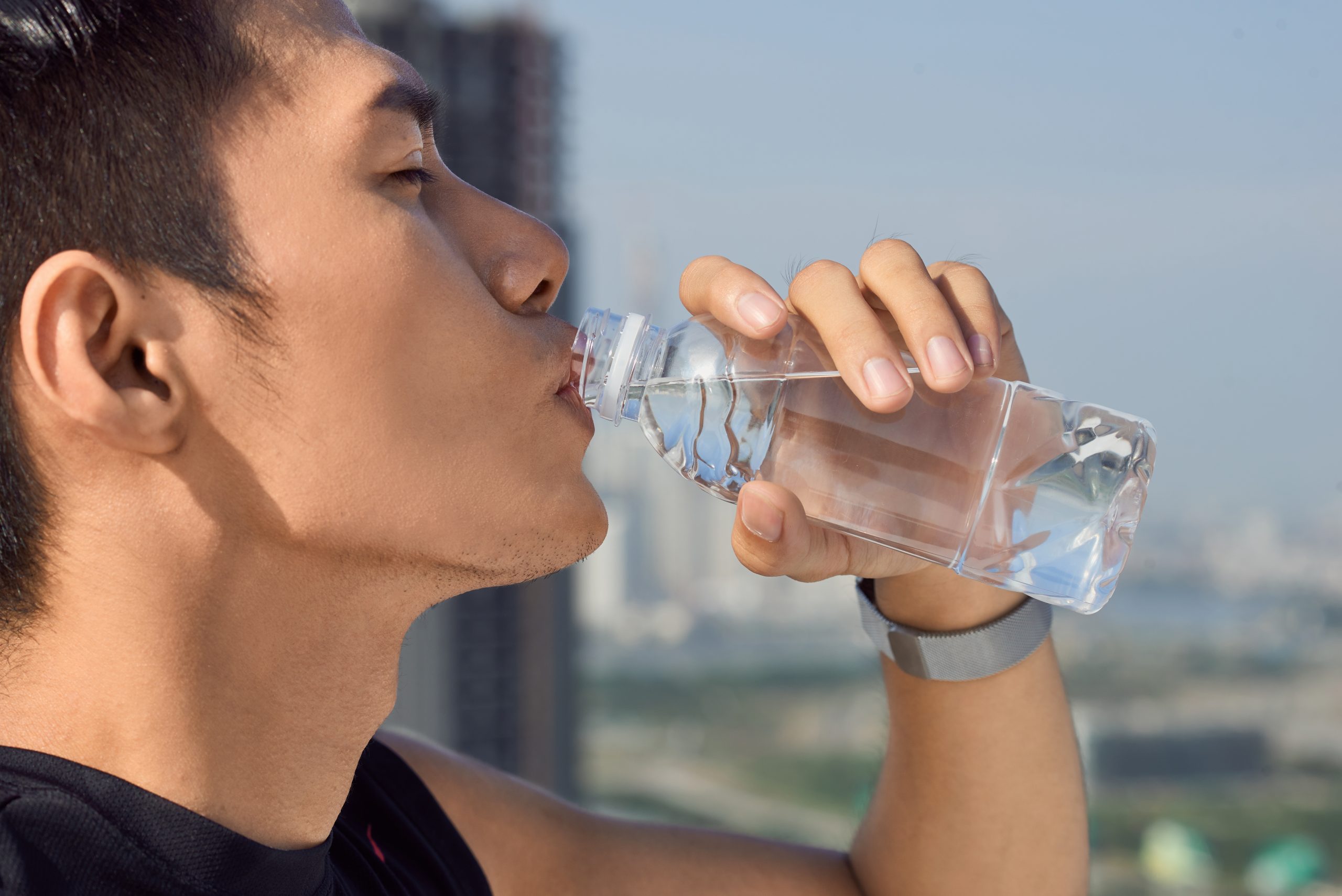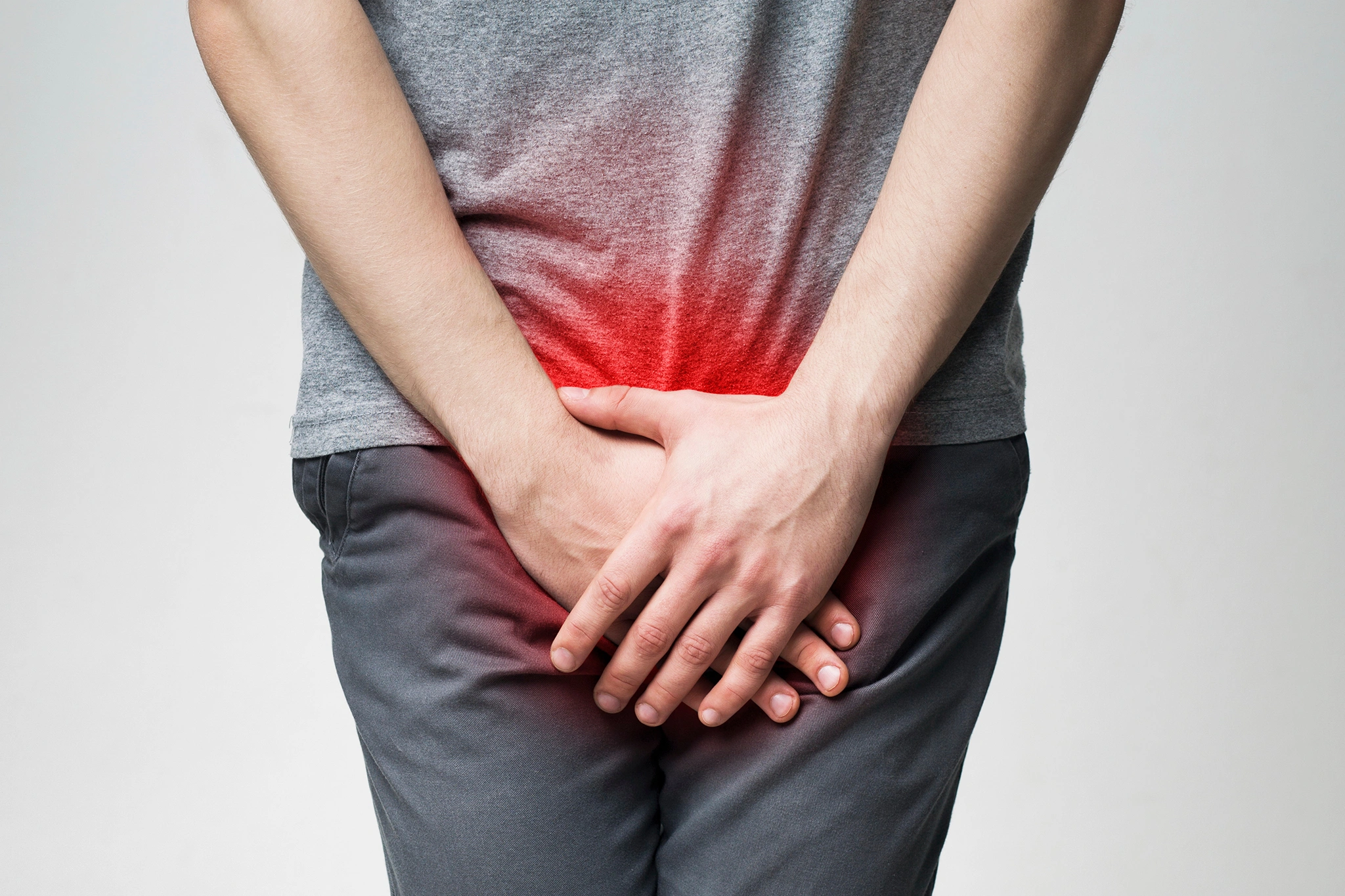
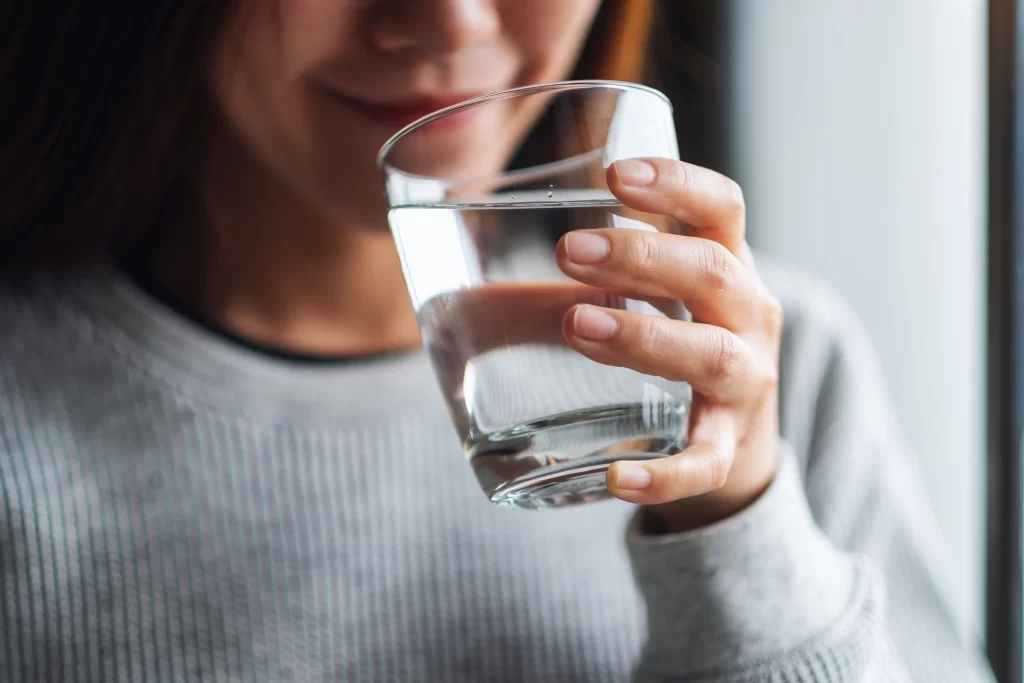
Dehydration is a significant cause of kidney stones and urinary tract infections (UTIs). Blood pressure, heart rate, and blood parameters are also affected by dehydration. In most cases, busy working adults are most likely to be neglecting their hydration due to their busy work during the day. Busy mothers with young children often report a lack of adequate hydration, and coupled with holding their urine, this adult group is also most susceptible to poor drinking habits. Conversely, the elderly and young are relatively well taken care of.
Patients with heart and kidney issues are a particular group of patients who cannot drink freely using general recommendations. These patients must work with their respective cardiologists and renal physicians to tailor their maximal fluid intake. Excessive fluid intake in these groups of patients can lead to unwanted fluid collection within their bodies and cause lower limb swelling or fluid in the lungs. On the other hand, too little fluid predisposes them to urinary issues like urinary tract infections.
Drinking water is one of the best ways to prevent kidney stone formation, and there are many other reasons doctors recommend drinking adequate water. To start off, adequate hydration is required for the body to carry out its normal functions. Urinary functions, blood vessels, heart, muscle, and every part of your body require fluid to function properly.
Drink Your Way to Healthy Kidneys
Drinking water is one of the best ways to prevent kidney stone formation, and there are many other reasons doctors recommend drinking adequate water. To start off, adequate hydration is required for the body to carry out its normal functions. Urinary functions, blood vessels, heart, muscle, and every part of your body require fluid to function properly.
Daily water intake can vary according to weather, body size and activity level. Adequate hydration leads to good urine volume and can reflect hydration status rather than fluid intake. The European Association of Urology 2023 guidelines suggest a urine volume of 2.5 litres daily. Similarly, the American Urological Association’s 2019 guidelines also support a urine output of 2.5 litres daily. Logistically, however, it is easier to measure intake than urine output. To do that, you must drink around 3 litres of pH-neutral fluid, which may be difficult for the Asian body size. As such, I advise my patients to hydrate with around 1.5 litres of free fluid and around 500ml of fluid from our meals; that should be the bare minimum daily. If you are a stone former, add another 500mls to the calculations!
Many factors lead to kidney stones and UTIs, but dehydration is one of the most common causes. Many conditions can also be avoided with adequate hydration, like blood clots, stroke, kidney diseases, constipation, urinary tract infections, and kidney stones. Unfortunately, drinking advice needs to be given in context and more information.
There are some common pitfalls to drinking water mindlessly. Firstly, caffeine drinks like coffee, tea and even bubble tea should not be added to your daily fluid count. Caffeine beverage causes diuresis and contributes to dehydration of the body. I often tell my patients to imagine that 1 cup of caffeine makes you pee 1.5 cups of fluid. While not technically true, it is a good mental trick to remind yourself to hydrate more if you like your caffeine. I commonly see patients who dislike the taste of plain water and instead drink 3-6 cups of caffeine. While the occasional coffee is acceptable, it is essential not to drink caffeine excessively and keep it to 1-2 cups of all caffeine daily.
Secondly, water intake should be evenly spread on non-exercise days. A common mistake is waking up and gulping a lot of water to check the drinking requirement box. Unfortunately, the human body is unlike the camels, and we pass out whenever fluid we do not need instead of storing it. You need to drink regularly throughout the day to ensure adequate hydration. Similarly, a huge amount of fluid at the end of a busy day to fulfil your fluid requirements is not a good idea unless you fancy waking up many times to void at night. It takes around 3 hours for water to pass through our body, and hence, I advise patients to reduce fluid intake after dinner to allow fluid to clear the body before bedtime.
Third, human beings are very poor at estimating fluid volume. It is a simplistic notion that generalised advice like “remember to drink enough water” or “you need to drink 6-8 cups daily” is adequate as we are relatively poor at gauging fluid volume. To monitor daily intake based on estimation or measurement is unrealistic and, therefore, unlikely to succeed. Instead, use a favourite bottle and measure the capacity. Calculate the number of times you need to refill the bottle to gauge your fluid intake. This can be done at home or work with the same bottle. If you need to monitor your elderly fluid intake, you can use the same way and ask the carer to use water from a single bottle throughout the day. When you return home, you can easily estimate fluid intake at the end of your workday.
Kidney stone formation is influenced by the balance between stone “promoters” and “inhibitors”. Diabetes, obesity, and metabolic syndrome, along with a high salt intake and dehydration level, are some well-known stone promoters. In contrast, a high citrate level, adequate hydration and certain fruits inhibit stone formation. Excess stone promoters lead to a shift in urine pH that encourages stone formation and vice versa.
Dietary Modification to Prevent Kidney Stones
The most common type of kidney stones is Calcium-Oxalate kidney stones (75% of all kidney stones globally), and early research in kidney stone disease focused on reducing these minerals from our dietary intake. Recent studies have shown, however, that eliminating calcium is impossible and unrealistic, and we should not attempt it. Calcium is essential for the heart, muscles, and bones to function correctly. Calcium supplements are vital in preventing osteoporosis in older ladies. Oxalate can be found in many innocuous vegetables like parleys, beetroot, and spinach. Nuts like almonds, peanuts, cashews, and walnuts all contain high oxalate levels. Meat, chocolate, roasted nuts, and ikan bilis (my favourite) contain high oxalate levels and should also be consumed in moderation. Ascorbic acid (Vitamin C) is also converted to oxalate by our body and should be taken within the recommended dosage.
A balanced diet with adequate hydration is the easiest way to prevent stone formation. If you drink enough fluid, your urine’s calcium (and other salts) remains diluted and is constantly flushed out of the body, and kidney stones cannot form quickly. Most kidney stones usually form over months but can shift if you forget to keep up your fluid intake, particularly on the eve of highly stressful events during work or overseas trips.
Apart from causing pain, kidney stones are an excellent way for bugs to hide, and recurrent urinary tract infections (UTIs) are common problems when patients first present to a urologist. In fact, specific kidney stones are called infection stones as they are the cause and are caused by UTIs!
If you have kidney stones, you should discuss this with a Urologist and learn how to manage the stone best. While small kidney stones (less than 4mm) can be flushed out of the kidney by drinking enough water, preventing the existing stone from growing bigger or new stones from forming is more critical. A common Urology saying goes, “Once a stone former, always a stone former”. Prevention is vital for kidney stone patients as recurrence can be as high as 50% within five years.