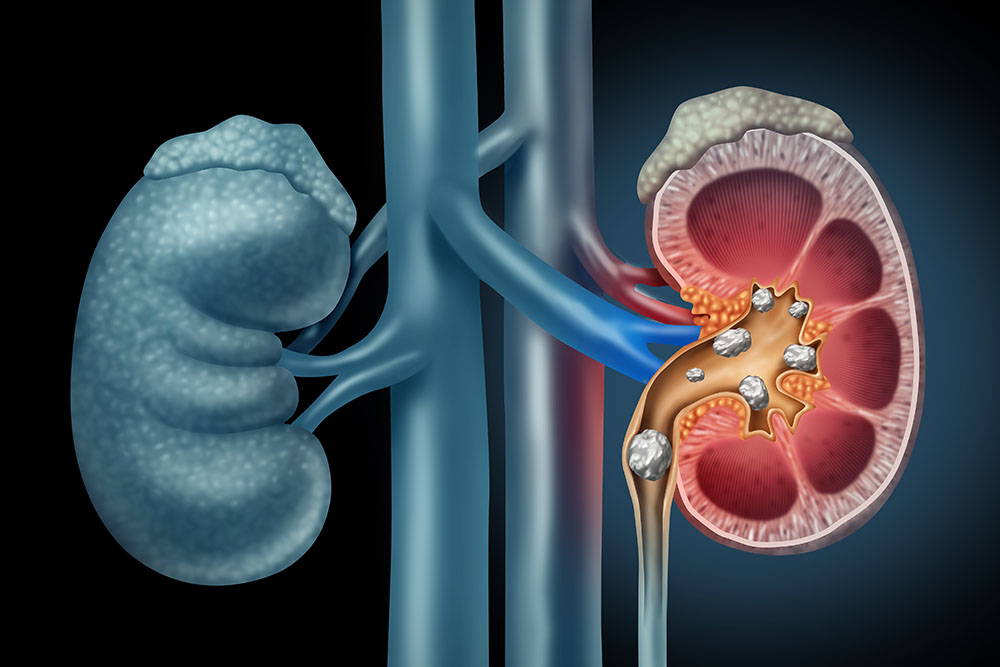
Kidney stones, also known as urinary stones, are a widespread health issue affecting millions globally. Singapore is located within the global stone belt alongside India, Thailand, Vietnam and Indonesia as they have a high incidence of kidney stones. These hard mineral and salt deposits form in the kidneys and can cause intense pain when they travel through the urinary tract. Renal or ureteric colic occurs when urine flow is obstructed, and the kidneys swell. The severe pain is often described as worse than giving birth by ladies and the worst pain encountered by most men.
Dr Lim Kheng Sit (Jay) is a urologist specialising in kidney diseases, including acute renal colic, horseshoe kidneys, pregnant-related, stone-related, and single kidney patients. He has particular expertise in the management of kidney stone disease, including complex and high-risk cases, and performs advanced minimally invasive procedures such as Percutaneous Nephrolithotomy (PCNL), flexible ureteroscopy and laser lithotripsy.
Kidney stones, or renal calculi, are solid masses resulting from crystallized minerals in urine. Their size can range from tiny grains to larger stones that obstruct the urinary tract, causing significant discomfort. In Singapore, dehydration, climate or poor dietary habits are the leading causes.
Symptoms & Signs of Kidney Stones
Timely recognition of kidney stones symptoms is essential for effective treatment. Common signs include:
Severe Pain: Known as renal colic, this sharp, cramping pain occurs in the lower back, side, or abdomen.
Frequent Urination: A persistent and urgent need to urinate.
UTI Symptoms: Burning sensation during urination, cloudy urine, or foul odor.
Fever and Chills: Potential indicators of infection.
Blood in Urine: Visible reddish or pinkish discoloration.
Causes of Kidney Stones
Several factors contribute to kidney stone formation, many of which are preventable:
Dehydration
Insufficient fluid intake leads to concentrated urine, increasing stone risk.
Unhealthy Diet
High sodium, sugar, and protein consumption can promote stone development.
Lifestyle Factors
Obesity and inactivity are linked to higher risks of stone formation.
Kidney Stones Treatment Options in Singapore
Treatment varies based on stone size, location, and severity. Key approaches include:
Pain Relief: Medications to manage discomfort.
Hydration Therapy: Encouraging passage of smaller stones through increased fluid intake.
Medications: To dissolve certain stone types or prevent recurrence.
Surgical Procedures: Necessary for larger or persistent stones:
Shock Wave Lithotripsy (ESWL): Breaks kidney stones into smaller fragments using sound waves.
Ureterorenoscopy: A minimally invasive procedure to locate and remove kidney stones.
Percutaneous Nephrolithotomy (PCNL): Effective for large or complex kidney stones.
If you think you may be presenting symptoms of Kidney Stones, Consult a Specialist as soon as possible.
Limit high-oxalate foods like spinach and peanuts, pairing them with calcium-rich foods to lower oxalate absorption.
Reduce sodium and animal protein intake to minimize urinary calcium and uric acid levels.
Embrace a Healthy Lifestyle
Maintain a healthy weight with regular physical activity.
Avoid extreme dietary restrictions; focus on a balanced, nutrient-rich diet.
When to Consult a Kidney Stones Specialist
Seek immediate medical attention if you experience:
Severe, unrelenting pain
Fever, chills, or signs of urinary tract infection
Visible blood in the urine
Early diagnosis and treatment are critical to preventing complications such as kidney damage or recurrent infections.
Why Choose Dr Jay Lim For Kidney Stones Treatment
Expertise in Urological Conditions
Led by an experienced urologist, our clinic focuses on conditions affecting the prostate, kidney, bladder, and male reproductive conditions, ensuring patients receive targeted, specialist care.
Insurance Claimable
Most of our procedures are claimable by integrated shield and corporate insurance plans, making treatment more accessible and providing greater peace of mind.
Same-Day Appointments Available
Patients get access to timely consultations to address urgent or discomforting urological symptoms, reducing delays in diagnosis and treatment.
Private, Patient-Focused Care
Sensitive conditions are discussed in a discreet and comfortable environment, allowing patients to feel at ease and supported by a smooth care experience.
Expertise in Urological Conditions
Led by an experienced urologist, our clinic focuses on conditions affecting the prostate, kidney, bladder, and male reproductive conditions, ensuring patients receive targeted, specialist care.
Same-Day Doctor Appointments
Patients get access to timely consultations to address urgent or discomforting urological symptoms, reducing delays in diagnosis and treatment.
Insurance Claimable
Most of our surgical procedures are claimable by integrated shield and corporate insurance plans, making treatment more accessible and providing greater peace of mind.
Private, Patient-Focused Care
Sensitive conditions are discussed with a specialist in a discreet and comfortable environment, allowing patients to feel at ease and supported by a smooth care experience.
Seek Urologist For Kidney Stones
Kidney stones can be distressing, but with the right knowledge and preventive strategies, you can effectively manage and reduce your risk. Stay hydrated, follow a balanced diet, and consult a urologist for tailored advice.
If you think you may be presenting symptoms of Kidney Stones, consult a Doctor as soon as possible.
Frequently Asked Questions on Kidney Stones Treatment
Do all kidney stones require surgical removal?
No, not all stones need to be surgically removed. As a simple rule, if the stone is larger than 3 mm, there is a risk of blocking the urine flow if it moves into the ureter. Stones smaller than 2 mm can be conservatively managed and flushed out with adequate hydration.
Is kidney stone removal surgery painful?
Common stone removal methods include shockwave therapy, which does not involve any cuts on the patient. These are very tolerable day procedures, and patients usually are up and about the following day with very little downtime.
Where surgery is required, most patients are well enough to be discharged the following day and managed at home.
How soon can I return to work or exercise after a kidney stones surgery?
Modern kidney stone surgery does not involve any cuts, unlike appendicitis or gallbladder surgery. However, ureter stents are commonly placed in the kidney during surgery to ensure the urine stone is not compromised.
This can cause some discomfort to patients for the next 3 days. As a result, a period of hospital leave is given to the patient after any surgery.
What is the likelihood of kidney stones returning?
“Once a stone former, always a stone former”. About half of the patients suffer from repeated stone attacks within 5 years.
We place a strong emphasis on dietary and fundamental lifestyle changes as part of our end-to-end holistic management of stone patients to reduce the risk of further stone attacks.
Can kidney stones affect kidney function if left untreated?
Yes. The biggest risk of an untreated stone is blockage of the kidney. If left unattended, the kidney will eventually die off and be permanently damaged.
Infection can also occur in a blocked kidney and make you really unwell.
Are kidney stones treatments covered by MediShield or insurance in Singapore?
Kidney stones treatments are covered by insurance and MediShield, although the degree of coverage differs from insurance plans. Renal colic are considered medical emergencies, which require hospitalisation and is a common insurance claim.
While most insurance covers hospitalisation, It is best to check with our team on your insurance coverage.